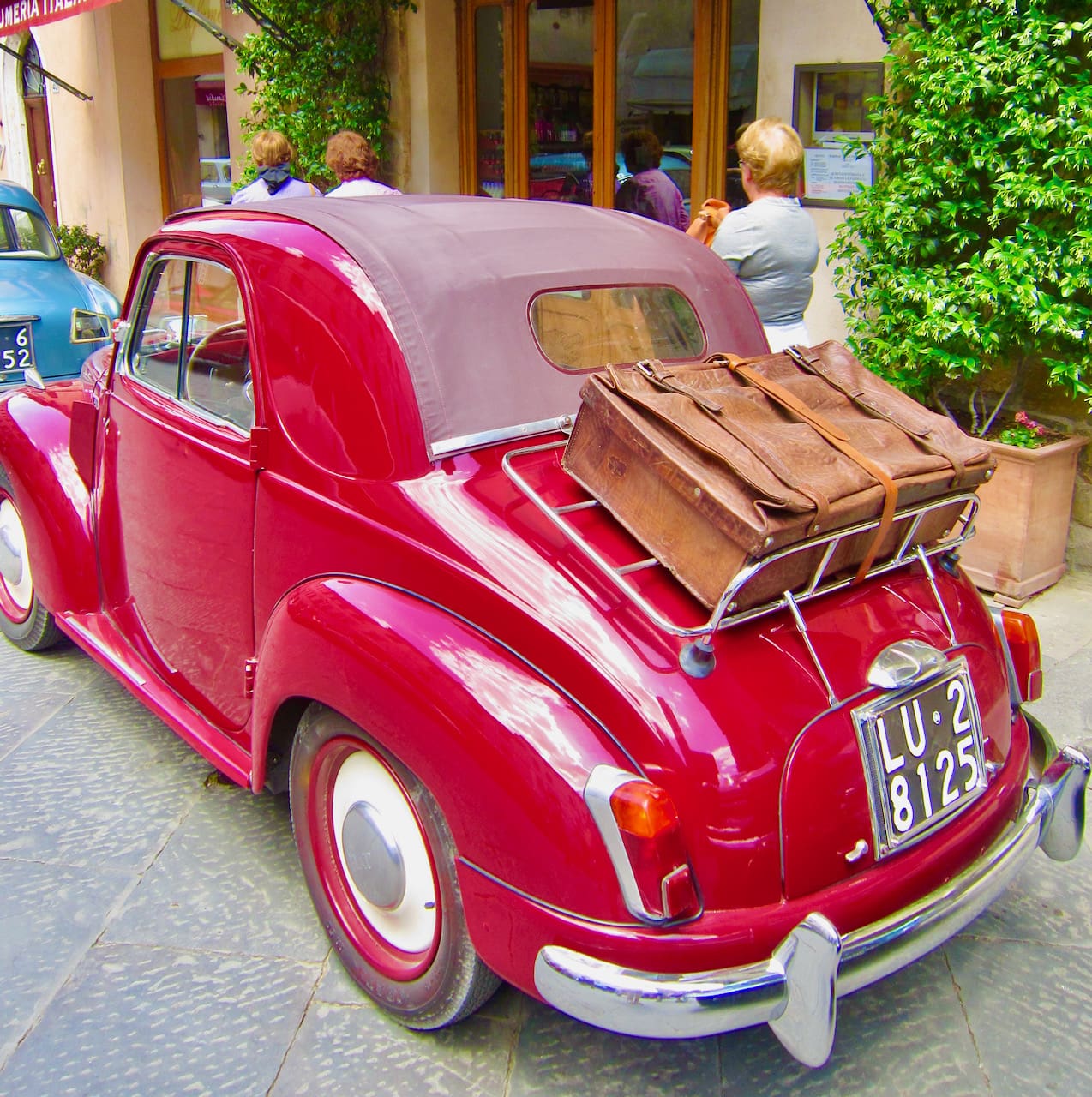
Is it time to pack your bags and move to Europe? Here is what we learned. (Sadly this is not our car, we spotted this beauty in Italy).
Are you longing for an escape to a new life in France? I’ve done a number of blogs about moving to Europe. Due to the current US political climate, more and more people are thinking about a move. So for those of you who are contemplating it, I’m going to keep at it. I want to go over some of the lessons we’ve learned, in our 20 years of expat retirement. And maybe save y’all from some mistakes! I hope that others who’ve moved to Europe will chime in with your own lessons.
Here is our list of lessons:
Ask yourself, can I integrate, and am I willing to? That means a real commitment to learning the language and adapting to a new and different culture, with a postive and non-judgmental attitude. If you love the country, you probably can. Not learning or trying to speak the language, though, is an absolute no-go. It will irritate both your French neighbors and your fellow expats. And if you just want to hang out with your fellow anglos, well then, why come at all?

My favorite t-shirt.
Think about your tolerance for being far from family. If you’re retired, maybe your kids are grown, scattered about, and like to visit, like ours. But grandkids can change the equation! At the very least, factor trips back to your home country into your budget.
We checked out the area thoroughly. We researched the climate, days of sunshine, the number of rainy days, the temperatures in each season. We looked at cities nearby, and where we would shop. We looked at real estate listings, housing prices, and cost of living in the area.
Consider this carefully: Some areas of France which are wonderful are overrun with tourists, for just that reason (admittedly, it’s an international problem). France is the most visited country in the world, AND, you need to know that unlike in the States, most of Europe goes on vacation at the same time—late July and August– and they get a looong vacation. I can think of several lovely places we’ve visited in the off-season, mostly in the Dordogne and Provence—then we’ve come back in summer and were shocked to find that what was a quiet village was unrecognizable, literally elbow to elbow with tourists, to the point where we turned around and left. So do your research, if you’re moving to an area tourists love. The good news is, there are PLENTY of wonderful places in France that are not overrun.
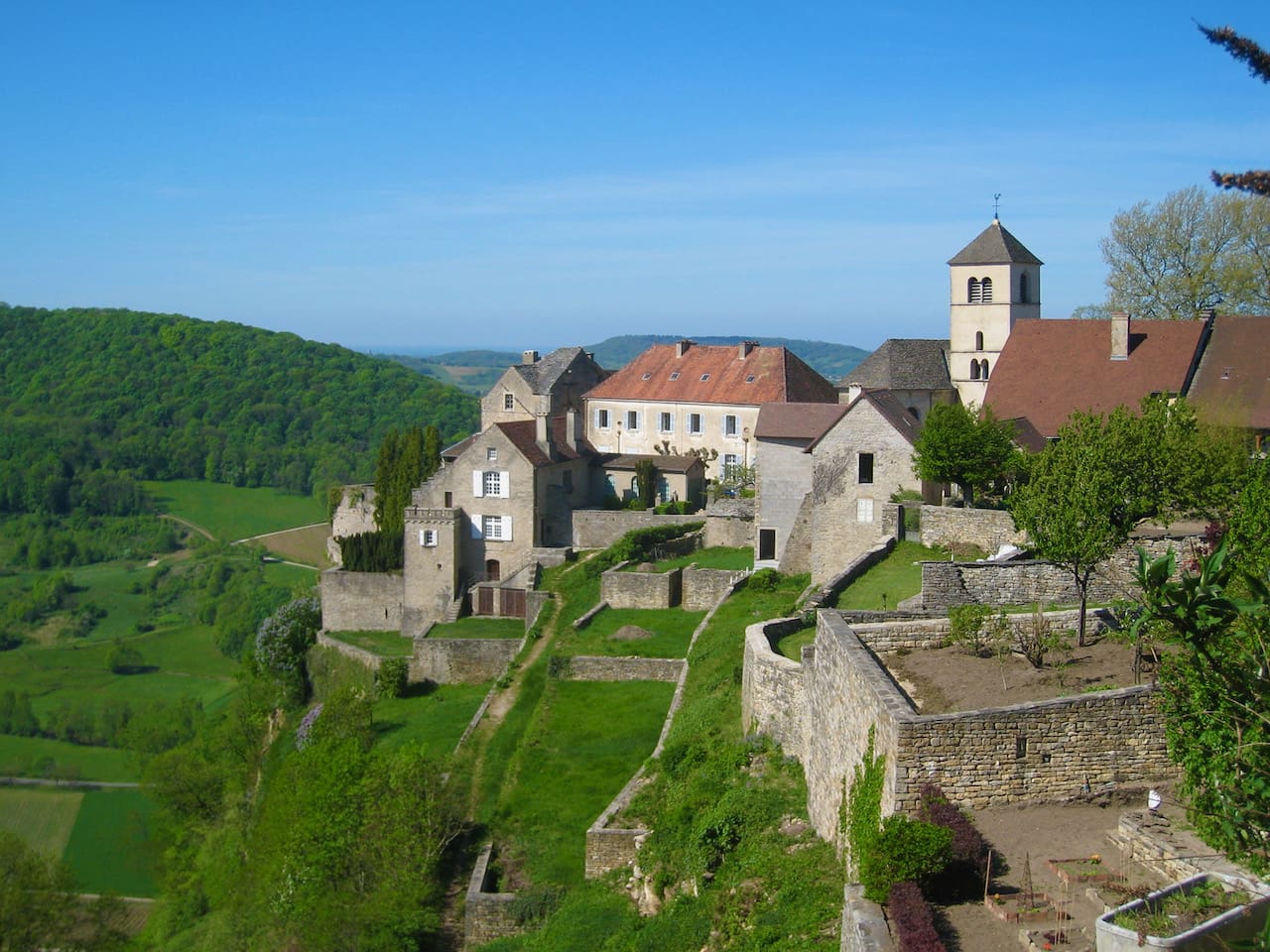
We chose to be close to the countries we wanted to travel to frequently. And that was an excellent decision. We happen to love Italy, the Côte d’Azur and Provence. So for a quick and close vacation, that’s where we head, making the east side of the country best for us. Alternatively maybe you love Spain, or you want to hop across the English channel easily. You have all of Europe before you, so make it easy to pop over to the special places you love. This is especially an issue in France because traveling north-south in France in general is easier than east-west, due to both autoroute, train, and TGV routes.
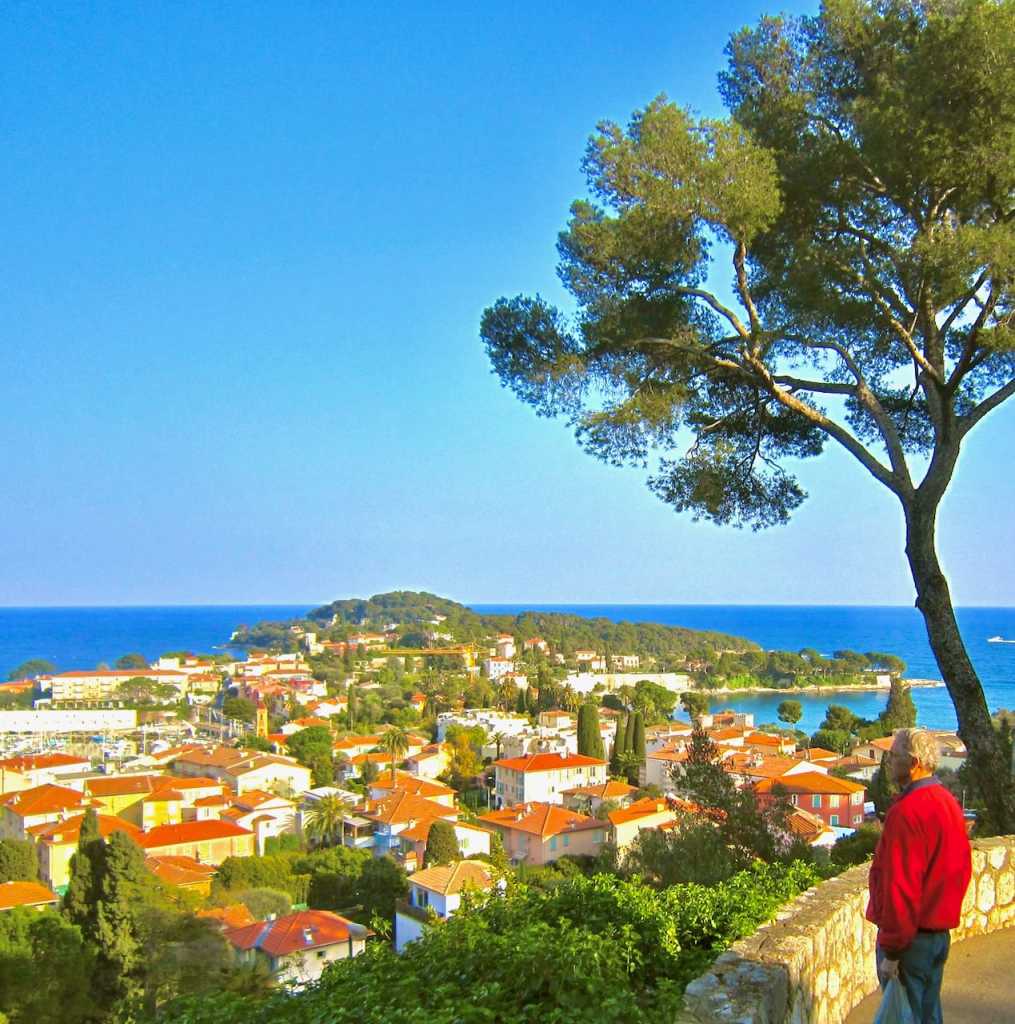
We are visiting the Côte d’Azur as we speak, which is nearly a straight shot down the main French N-S autoroute.
Find your tribe first. Do you want to hang out exclusively with the French? Good for you, but your language skills should probably be pretty darn good (and they will certainly improve, the more you immerse yourself). Do you want an international crowd of friends, French included? Then you’ll need to know if there are expats in your area. Look on-line for expats groups (FB has lots) or bloggers, and question them about the local expat community.
And let me add that when you arrive, you’ll do better if you really put yourself out there. Take a class, join a group, do volunteer work, chat with your neighbors even in your budding French. Ron has had great luck by starting a coffee meet-up on market day at his favorite café, and inviting everybody he meets to come, and bring a friend. There is always quite a crowd!
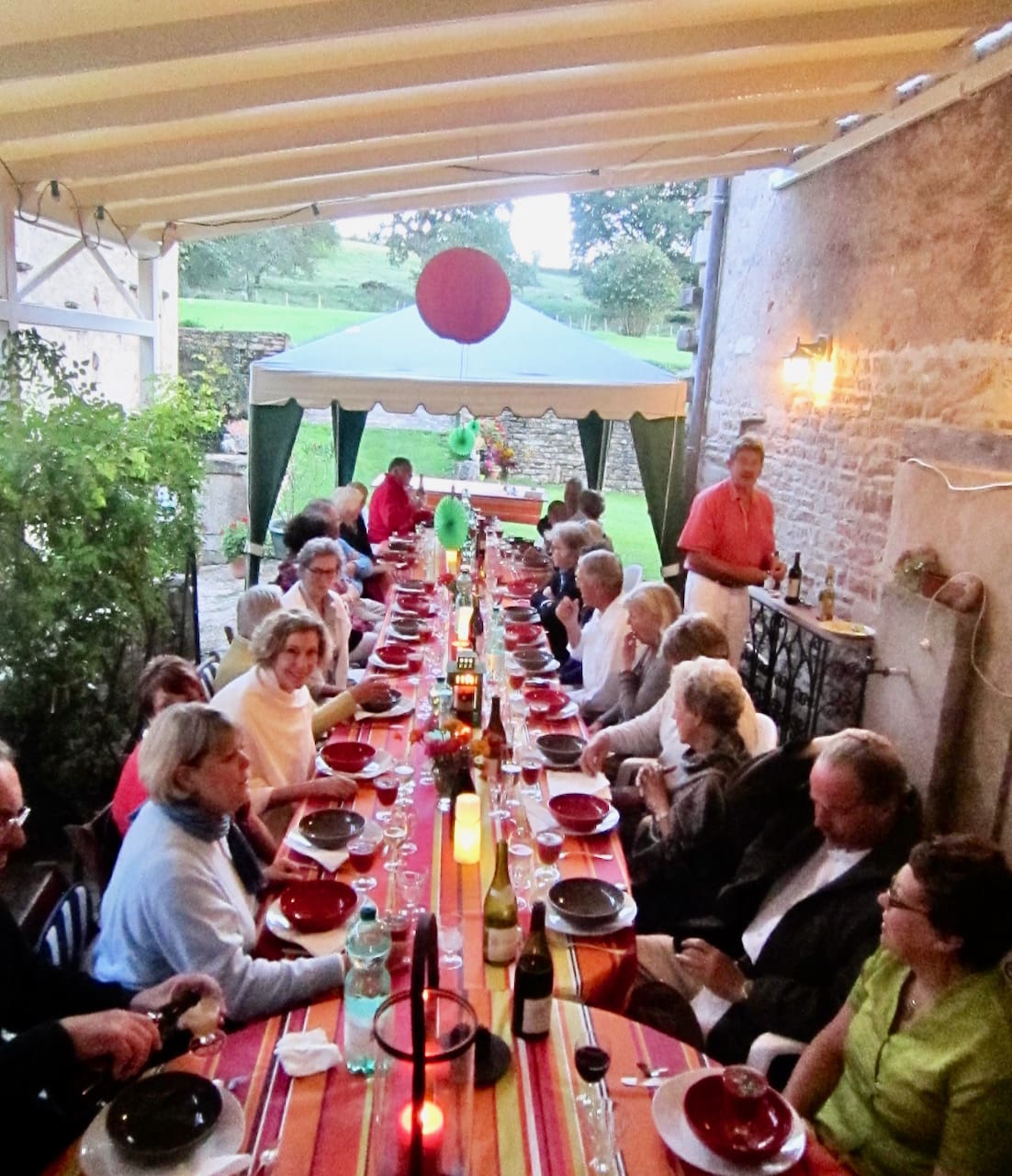
Partytime at the château. Beautiful Bourgogne is close to several borders, and it’s loaded with expats. There are at least 8 nationalities at this table.
Check out the visa situation carefully. Especially in the current climate, things can change suddenly. For example, language requirements for long-term visas have gotten stiffer recently.
Look to the experts. Subscribe to expat journals and information sites. In France, the journals are mainly The Local and The Connexion. We prefer the Local, but we subscribe to both. Join expat sites in your region on facebook, too. Ron likes a site on Facebook called Strictly Fiscal France, which is mostly about taxes. Which you will need to deal with if you stay longer than 6 months a year.
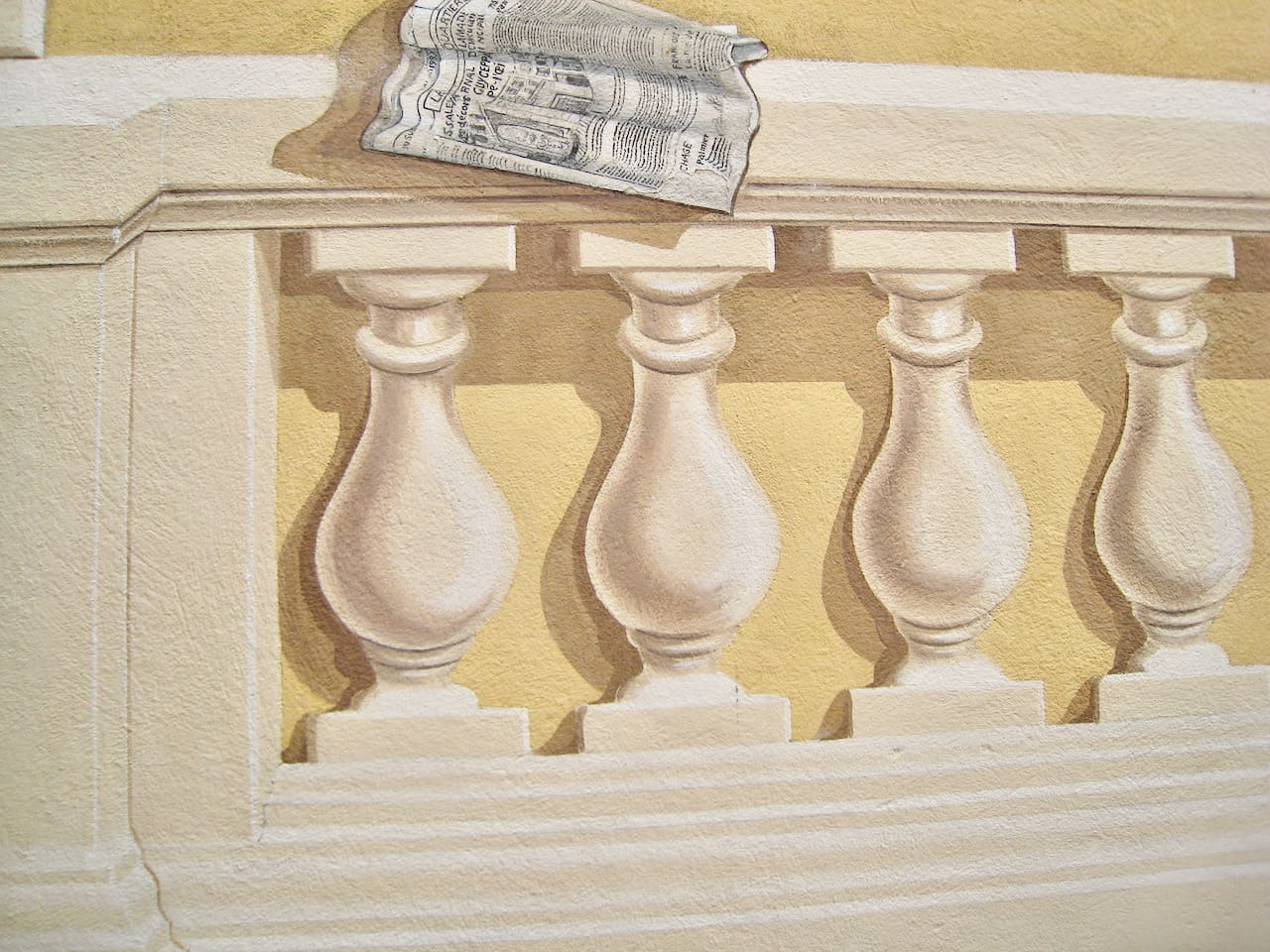
“The French news in English” is what the on-line “newspapers” called The Local and The Connexion offer, plus advice to expats. (The photo is from a painting on a wall in Villefranche-sur-Mer.)
Rent first, before you buy. We have intrepid friends who didn’t, but we rented first and we were SO glad we did. We knew we would love the area, but we fine-tuned exactly where we wanted to buy in Burgundy by renting, and we could take our time searching for a house.

OK so we were lucky to rent a great apartment in a château to start, but we found the apartment through expats we had met in the area.
If you’re going rural, there are two ways to live: in a small town or village (where you will be perpetually practicing your French), or in a house that is isolée, without close neighbors. Les maisons isolées tend to be cheaper and have more land; the dreamy settings can be enticing to expats. Think hard on your personal preference before you fall in love with that dream house. These are truly two different lifestyles.

A maison isolée is great if you want land, tranquility, and don’t mind being a little socially isolated. (painting by Tom Vieth, see his work at A Small Village in France).
You may want to check out some of my past posts on the subject:
Moving to France: A Cheaper Retirement Option?
Moving to France: What You Need to Know (you’ll find some realtors here, to help you out)
Should You, Could You, Move to France?
In the COMMENTS: Candi, I hope you enjoyed that delicious cruise. Natalia, we love recipes, thanks so much for sharing your apéro ideas. And please do not miss Mary James’ recipes for some very fancy verrines, in the article featuring her in O Henry magazine. Aryn, merci for the update on the mill. Readers, if you missed Aryn’s amazing story about moving to Burgundy, you can read it here. Claudia, I know you must be happy to be back in (warm and sunny) California. Hope you get back to France sometime.
Favorite READS: If you’re searching for French locations to visit or relocate, you might enjoy this article from The Guardian: Sleepy, Leafy, and Lusciously Bucolic: France’s Best Towns and Villages by Readers. And Natalia likes Maria Shriver’s book, I am Maria: Reflections and Poems on Heartbreak.
Readers, have you published a book? If so let me know and I will put it in the sidebar.







6 thoughts on “Lessons Learned from Our Move to France”
Lots of good information and advice..
Excellent!!
Excellent article Lynn! I would like to add a hearty “Hear! Hear!” to your comments about living in the country versus a city or village. My husband and I spent five years in Bordeaux where we acclimated to our new life, made friends and improved our language skills. We then moved to a country house in the Dordogne with a large piece of land and spectacular views. However, after two years the isolation nearly convinced us to sell up and return to the US. We’ve now relocated to a village and are much happier. Shops, transportation and entertainment are closer and there is a diverse group of people living in the community. Buying property in France is expensive due to notaires’ fees and taxes, and it takes much longer to purchase or sell a house here, so a mistake can cost both time and money. In short, if your husband says he doesn’t want to trim hedges, and if you require a bit of conversation from time to time, do not fall for that house in the country, no matter how gorgeous the views are.
Thanks for the poke, Lynn. Clearly I’m not the only person who has inquired. We aren’t there yet, but as each day passes with new horrors reported, we inch closer. Left to my own devices, I would have pulled up the paperwork to complete long ago. But as you know, when you are married to someone you love, you must be patient. So I’m impatiently patients . . .
Dear Lynn,thank you! This is (another — in addition to your other excellent posts on this subject!) wonderful post,another one filled with super helpful information(and! Beautiful pictures!)
Such a fantastic adventure!
One of my favorites here is “rent first”– in my opinion a gem that can save one from a plethora of future headaches.
My book suggestion this time is”Little Provence Bookshop” by Gillian Harvey.
She is an excellent writer; she takes an inviting subject matter to a new fun level which captures and holds your imagination.
I’m French and also a French teacher working with expats — I loved reading your perspective. It’s always interesting (and a little humbling) to see what people love and what frustrates them here. You’re right, the beauty and the bread can balance out the bureaucracy… at least most days! Thanks for sharing this so honestly — I’ll be recommending it to a few of my students.